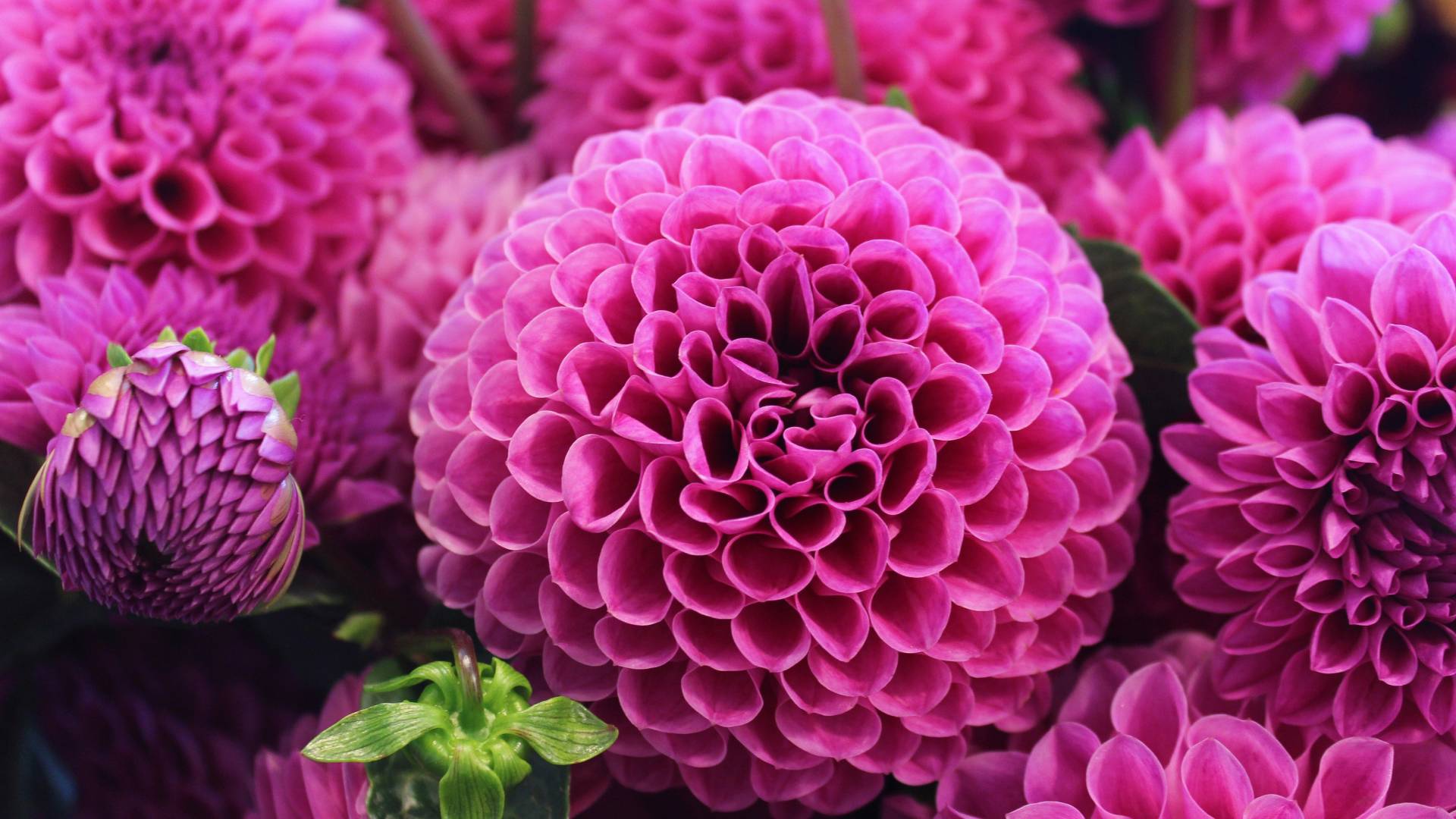
Flowers have always spoken to us with their fragrance, colour and shape – and we in turn have used them to share emotions and messages with each other. But how much do you know about blossom vernacular? Answer all 15 questions correctly and a US$50 Karma Concierge Voucher could be yours. We’ll reveal our lucky winners on 10 November
2 Comments
In Victorian era, people couldn’t say love directly, so they sent flowers. Each flower = secret code. Still used today for gifting.
Most Common Meanings:
*Love & Romance*
– *Red Rose:* I love you, deep passion
– *Pink Rose:* Admiration, sweetness
– *White Rose:* Pure love, new beginnings, sorry
– *Tulip Red:* Perfect love
– *Lotus:* Spiritual love, detachment
*Friendship & Joy*
– *Yellow Rose:* Friendship (in India sometimes jealousy)
– *Sunflower:* Loyalty, you brighten my life
– *Daisy:* Innocence, new friendship
– *Marigold (Genda):* In India – prosperity, positivity. In West – grief.
*Apology & Healing*
– *White Lily:* Sympathy, I am with you
– *White Chrysanthemum:* Truth, loyal grief
– *Lavender:* Calm, I am devoted
– *Jasmine (Mogra):* In Konkan/Maharashtra – sensuality, respect, gift for thanks
*Warning / Negative*
– *Yellow Carnation:* Rejection, disappointment
– *Striped Carnation:* Sorry I can’t be with you
– *Black Rose:* Farewell, rebirth (not real, dyed)
Indian Vernacular Flower Language:
We don’t use Victorian code much, we have our own:
– *Lotus (Kamal):* Knowledge, Goddess Laxmi, used for puja not romance
– *Mogra / Jasmine:* Love for mother, gift to wife in Maharashtra, hair flower
– *Hibiscus (Jaswand):* Offered to Ganpati & Devi – means devotion
– *Marigold:* Welcome, celebration – why we use at weddings & temple doors
– *Mango Mohar (Blossom):* New year, arrival of Vasant, sweetness coming
Hello Rajendra, thank you for sharing such an informative take on the language of flowers and for engaging with us. We hope you had fun taking part in our quiz.
We use cookies to enhance your browsing experience and analyze our traffic. By clicking "Accept All", you consent to our use of cookies.
Cookie Preferences
Strictly Necessary
Always On
These cookies are essential for the website to function properly. They enable basic functions like page navigation and access to secure areas. The website cannot function properly without these cookies.
Functional
These cookies enable enhanced functionality and personalization, such as videos and live chats. If you do not allow these cookies, some or all of these services may not function properly.
Performance / Analytics
These cookies allow us to count visits and traffic sources so we can measure and improve the performance of our site. They help us know which pages are the most and least popular and see how visitors move around the site.
Marketing / Targeting
These cookies may be set through our site by our advertising partners. They may be used by those companies to build a profile of your interests and show you relevant adverts on other sites.


In Victorian era, people couldn’t say love directly, so they sent flowers. Each flower = secret code. Still used today for gifting.
Most Common Meanings:
*Love & Romance*
– *Red Rose:* I love you, deep passion
– *Pink Rose:* Admiration, sweetness
– *White Rose:* Pure love, new beginnings, sorry
– *Tulip Red:* Perfect love
– *Lotus:* Spiritual love, detachment
*Friendship & Joy*
– *Yellow Rose:* Friendship (in India sometimes jealousy)
– *Sunflower:* Loyalty, you brighten my life
– *Daisy:* Innocence, new friendship
– *Marigold (Genda):* In India – prosperity, positivity. In West – grief.
*Apology & Healing*
– *White Lily:* Sympathy, I am with you
– *White Chrysanthemum:* Truth, loyal grief
– *Lavender:* Calm, I am devoted
– *Jasmine (Mogra):* In Konkan/Maharashtra – sensuality, respect, gift for thanks
*Warning / Negative*
– *Yellow Carnation:* Rejection, disappointment
– *Striped Carnation:* Sorry I can’t be with you
– *Black Rose:* Farewell, rebirth (not real, dyed)
Indian Vernacular Flower Language:
We don’t use Victorian code much, we have our own:
– *Lotus (Kamal):* Knowledge, Goddess Laxmi, used for puja not romance
– *Mogra / Jasmine:* Love for mother, gift to wife in Maharashtra, hair flower
– *Hibiscus (Jaswand):* Offered to Ganpati & Devi – means devotion
– *Marigold:* Welcome, celebration – why we use at weddings & temple doors
– *Mango Mohar (Blossom):* New year, arrival of Vasant, sweetness coming
Hello Rajendra, thank you for sharing such an informative take on the language of flowers and for engaging with us. We hope you had fun taking part in our quiz.