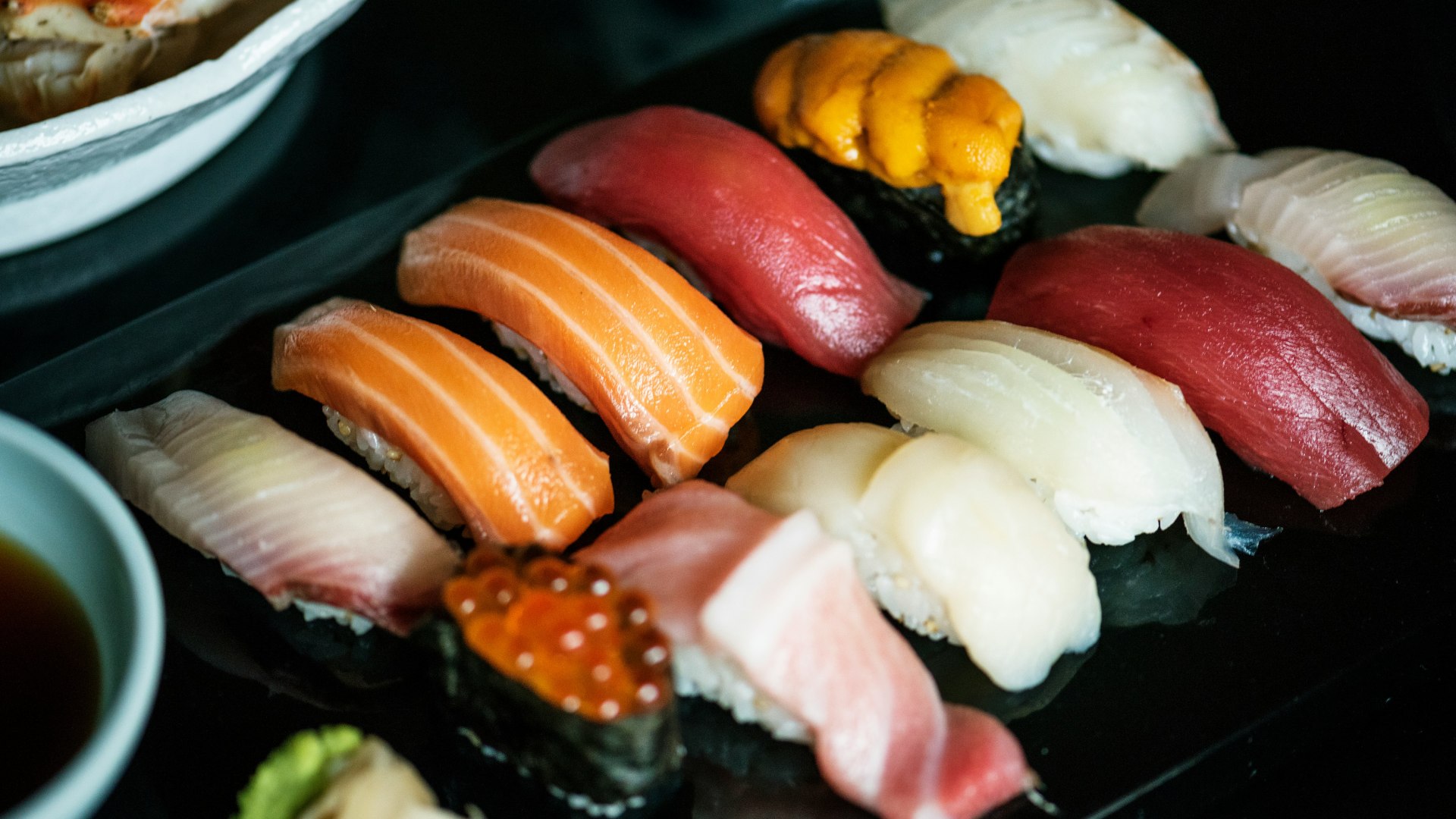
Karma Beach Bali has a new culinary voice, and it is one worth listening to. Chef Kenji brings classical Japanese precision, an ingredient-first philosophy and exceptional knife skills to one of Bali’s most spectacular dining addresses…
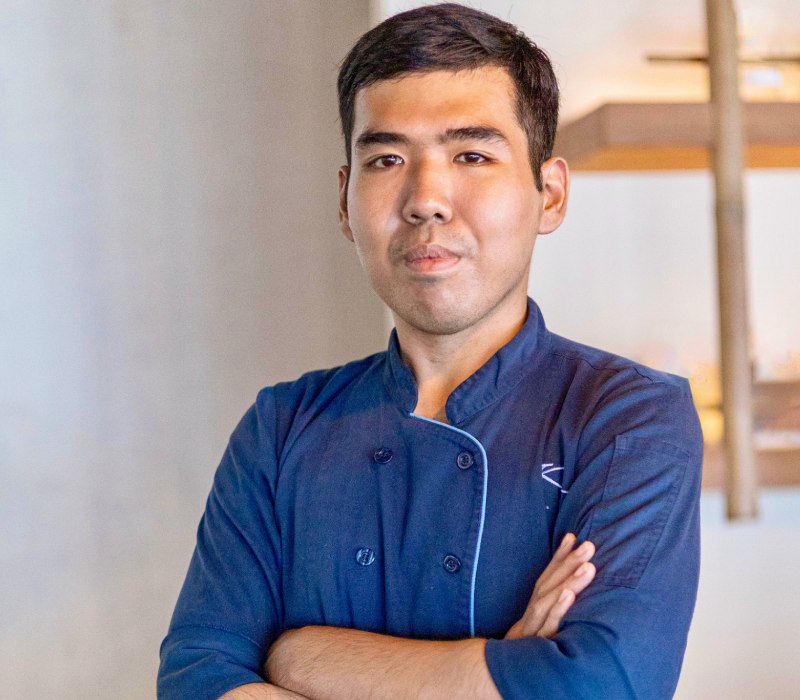
For those meeting you for the first time, what inspired your journey into the culinary world?
My dad once told me: “Before you learn how to cook, you’ve got to learn how to eat.” At the time, I didn’t understand it. Now, after getting deep into sushi and Japanese cuisine, it makes complete sense.
Japanese cuisine is built on precision and respect for ingredients. How has that shaped your cooking?
Going back to what my dad said: to eat means to understand not just the flavour, but why something tastes the way it does. Not the dish as a whole, but every individual ingredient. That thinking changed how I handle everything. Did you know the flavour of a fish can change depending on how it’s handled after being caught?
Your knife skills are already a talking point. Why is knife mastery so central to Japanese cuisine?
Japanese cuisine is fundamentally about precision, so a razor-sharp knife has to be an extension of your arm. A dull knife risks damaging the ingredient, which you should avoid at all costs. I could talk about knives non-stop, so I’ll leave it there.
What attracted you to Bali, and what excites you most about cooking here?
Bali has been on my mind since I started cooking. The seafood reputation alone was enough to draw me in, and there is still so much here for me to discover.
How do you approach sourcing? What role do Bali’s local markets and producers play?
The locals here know their ingredients better than anyone, especially the seafood. The quality and variety are extraordinary. They are genuinely the people behind my creations.
Any local ingredients that have surprised or inspired you?
Nothing has caught me off guard yet, but I am genuinely curious about lawar, a traditional Balinese dish made with minced meat, vegetables and fresh blood. It feels exotic to me and I want to understand it properly.
What can Members expect from the new dining experience at Karma Beach Bali?
A closer look at what Japanese cuisine really is and how it has evolved. Its history, its reality and, above all, its future.
If you had to choose one signature dish that represents your philosophy, what would it be?
Kaisen donburi: a bowl of sushi rice topped with slices of raw seafood. Simple and clean, yet so much is happening beneath the surface. Like fried rice, actually: seemingly straightforward, but endlessly complex when you look closely.
What makes a great omakase experience?
Omakase roughly translates as “leave it to the chef,” so there will be surprises. But more than that, it is about sharing knowledge while sharing a meal. Good conversation makes food taste better.
What is your vision for Karma Beach Bali as a Japanese dining destination?
Fresh Japanese cuisine at one of Bali’s finest beaches, shared over good conversation. What could be more exciting than that?
Quick-fire
Favourite fish? Hamachi. Versatile, firm flesh, delicate flavour. Any cooking method works.
Ingredients you always have? Spring onion. Always in my kitchen, no question.
Most underrated Japanese dish? Chicken nanban. So often made incorrectly, but when done right, a real dark horse.
Morning market or late-night service? Morning market, always. Nothing beats seeing freshly caught fish.
Perfect day-off meal? Gyudon, a Japanese beef rice bowl. Fast, easy, endlessly adaptable. No ceiling on it.
Three words for your cooking style? Simple, clean, strong.