
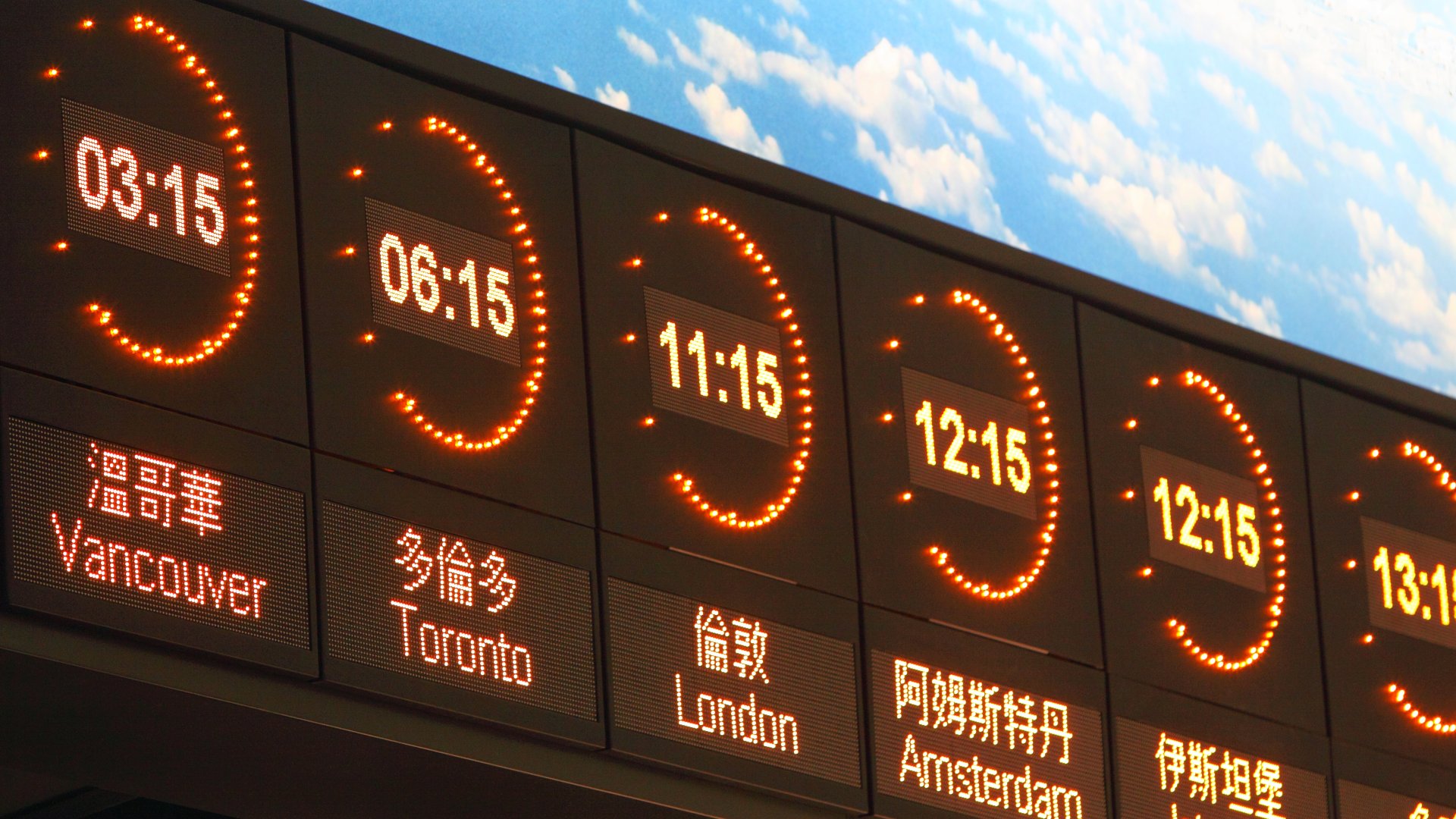
Jet lag isn’t mere tiredness. It’s your suprachiasmatic nucleus, the brain’s internal pacemaker, stubbornly running on departure-city time while your body sits somewhere entirely different. The fix has always centred on light, since bright exposure at the right moments is the strongest cue your body clock understands, alongside carefully timed meals and melatonin.
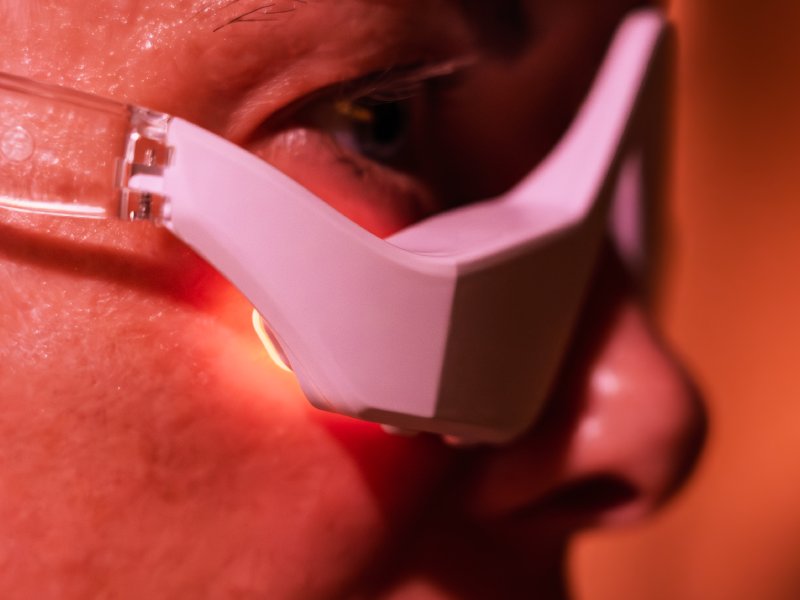
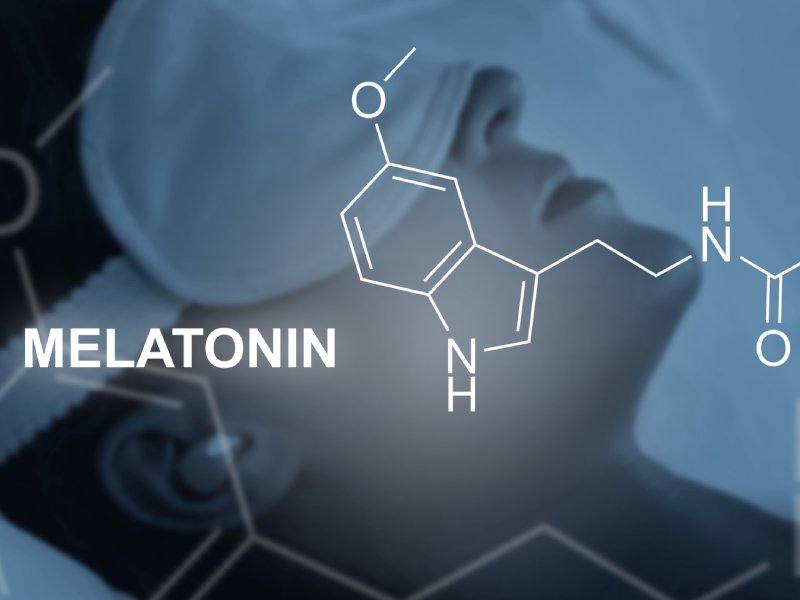
What’s changed is the sophistication of the tools. Apps like Timeshifter now build personalised light-and-sleep schedules based on your specific flight, while wearables have started detecting time zone changes automatically and nudging you toward the right habits before symptoms even set in. Light therapy devices, once niche, are increasingly common carry-on items for serious travellers.
The frontier research is more ambitious still. Scientists have identified a compound that halved jet lag recovery time in animal trials by directly resetting the body’s clock genes, and a separate study found that engineered cells producing the hormone leptin sped up circadian adjustment in primates. Neither is available to travellers yet, but both suggest a genuinely pill-based future for your long-haul Karma adventures.
For now, the old advice remains the best advice: chase the light, and let your body follow.