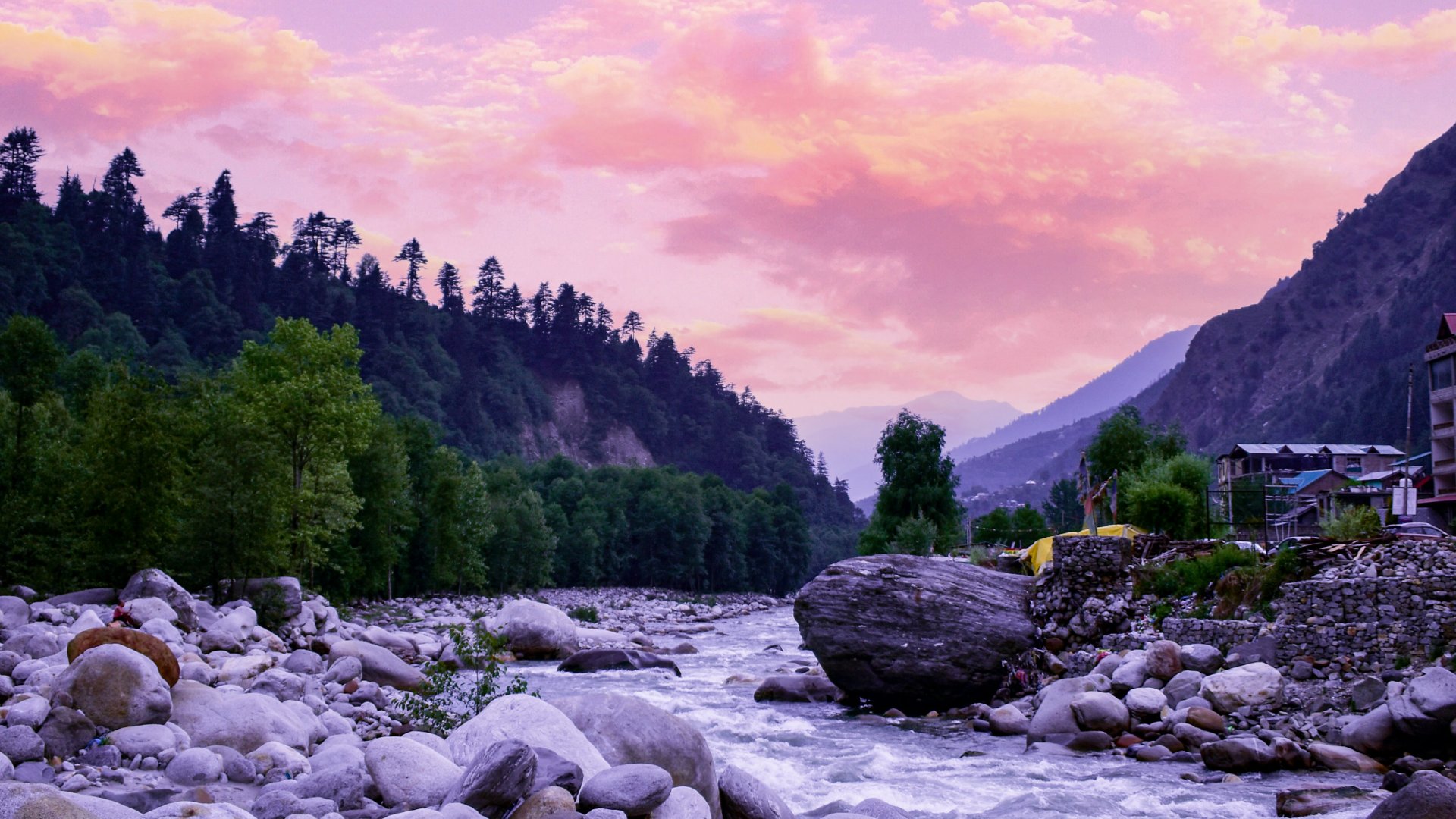
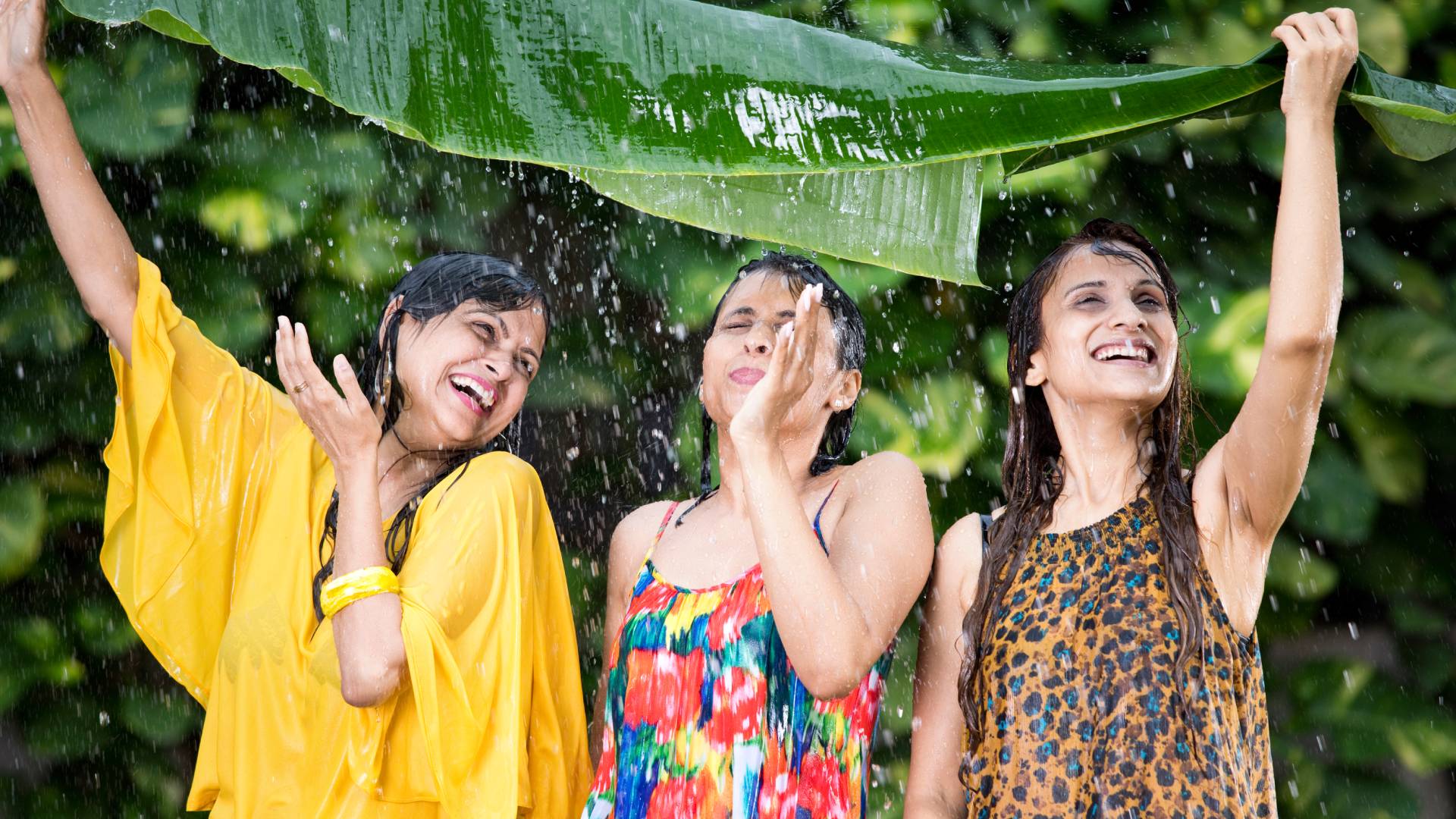
Monsoon season in Goa is like a dramatic theatrical performance orchestrated by nature… but as the beloved southern Indian state emerges from its rainy season, the transition brings its own kind of gentle magic. Rice paddies flooded electric green, Dudhsagar Falls running at its fullest before the crowds arrive, and a state exhaling after four months of rain.
It’s a good window for slower pursuits: spice plantation walks scented with cardamom and pepper, misty Western Ghats views, and an evening cruise along the Mandovi.
Monsoon festival Chovoth (the local Konkani name for Ganesh Chaturthi) runs from 14 to 23 September this year: ten days of the elephant-headed god Ganesh honoured in homes and neighbourhood pandals, bamboo-and-cloth shrines built for the occasion. Families return home, and modak, a steamed rice dumpling filled with coconut and jaggery, is made and shared alongside pattoli, a similar sweet steamed in a turmeric leaf. A genuinely local festival, and a joy to be part of.
By October, the shift into the dry season is properly underway: beach shacks reopening, the sea calming, evenings turning cooler, without the high season crowds of December.
Karma Royal Haathi Mahal sits a minute from Cavelossim Beach in the quieter south, Karma Royal Palms is a short walk from Benaulim’s sand, and Karma Royal MonteRio holds a hillside spot beside the Baga river in the north, close enough to Calangute and Baga to have both beaches on tap.
Call it the interval: the curtain not yet fully up, and Goa entirely on its own terms.