As we roll into 2026, a quiet culinary evolution is growing in influence. Where wellness once whispered from the margins of menus, today it is moving decisively to the centre of the plate. This is not spa food or dietary virtue-signalling. It is cooking grounded in biology, landscape and restraint.
Naturally sourced ingredients now lead the conversation. Broths steeped with vibrant fungi like reishi or lion’s mane, fermented grains designed for gut health, bitter greens selected for their mineral density rather than their Instagram appeal. Adaptogens, once the preserve of supplement shelves, are folded quietly into daily cooking – functional, purposeful, an archaic revival backed by the latest science. Our ancestors knew what they were about.


Protein, too, has been reclaimed. In place of hyper-processed alternatives, kitchens are returning to real meat, carefully chosen and sparingly used. Venison, goat and heritage cuts reflect a broader shift towards animals raised slowly, often within regenerative systems that rebuild soil, restore biodiversity and respect natural cycles. That’s not to say gorging on red meat is now great for the planet – moderation is still the byword here.
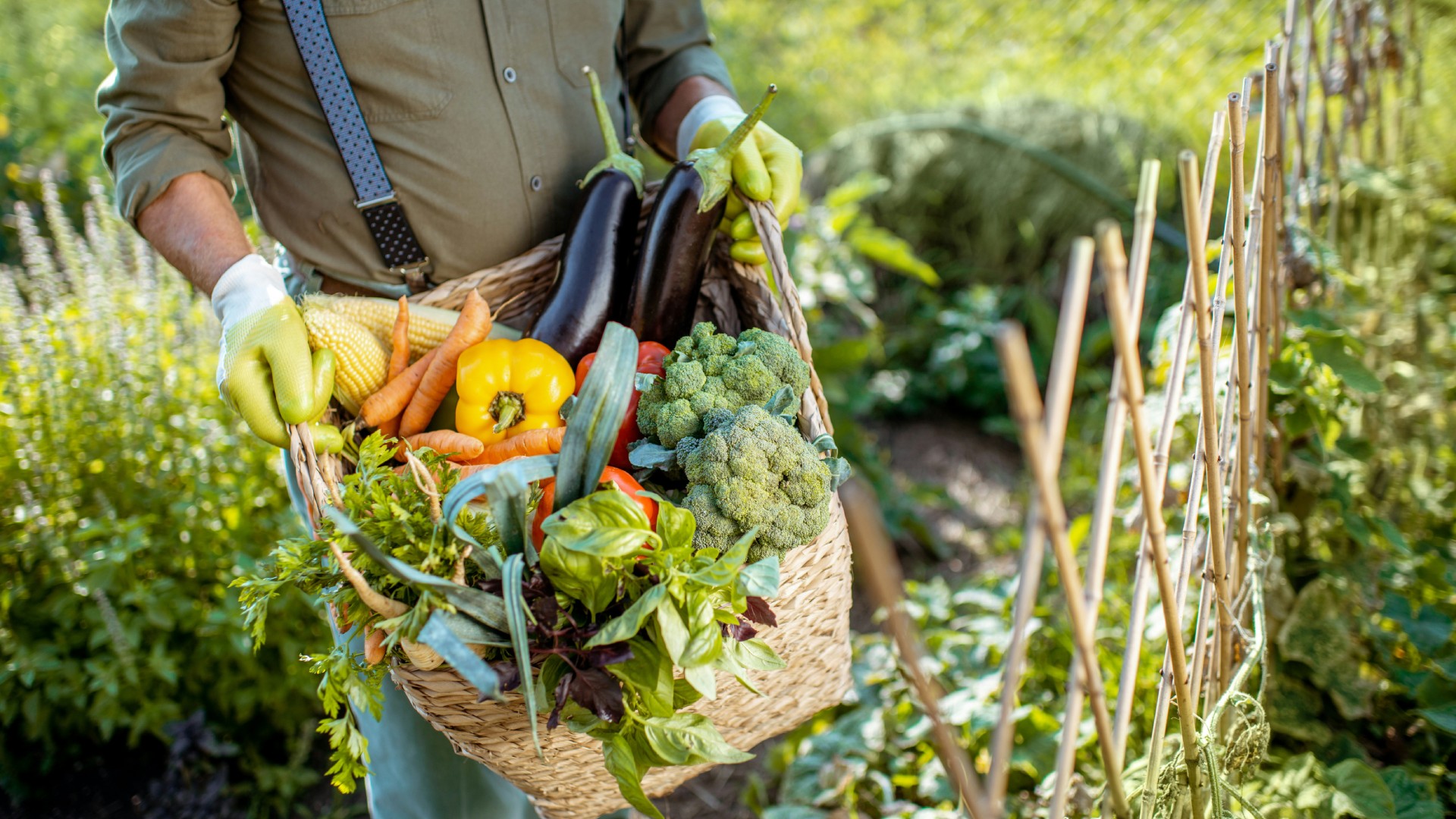
Behind the scenes, regenerative farms and emerging food forests are reshaping supply chains, producing resilient crops and nutrient-rich pasture while storing carbon rather than stripping it away. The result is a cuisine that feels less like a trend than a correction – eating not for optimisation, but for longevity, vitality and quiet confidence in the source.