As technology continues to take over our world at breakneck pace, it’s probably fair to say that the present has rarely looked quite so futuristic. Think robots, self-driving cars, smart-glasses and of course looming over it all… Artificial Intelligence. We humans love to speculate about the future – some more successfully than others.
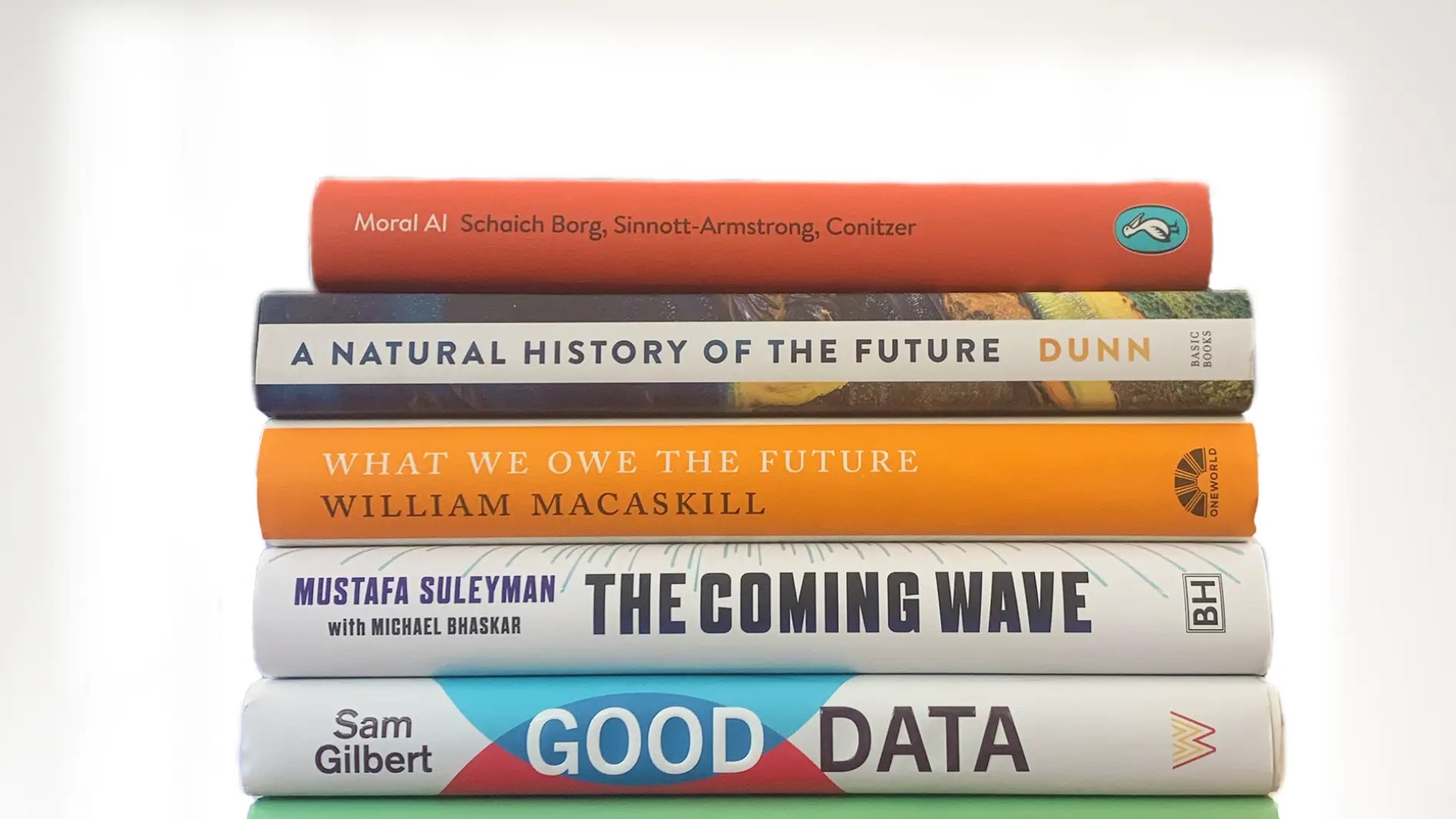
So as we enter a new year and a brave new world, Ultimate Library is on-hand with 11 contemporary futurism books – from Microsoft AI Chief Mustafa Sulayman’s The Coming Wave – which argues for an overwhelming positive future facilitated by technology, while acknowledging the dangers; to Nobel Prize Winner Daniel Suskind’s Growth: A Reckoning – a sobering study of our contemporary economic system to William McCaskill’s What We Owe the Future, which argues for longerism – i.e. leaving a legacy for future generations. Inspiring and expansive reads to kick off a year that promises great change…
11 Books that Look to the Future
1. The Coming Wave: AI, Power and Our Future
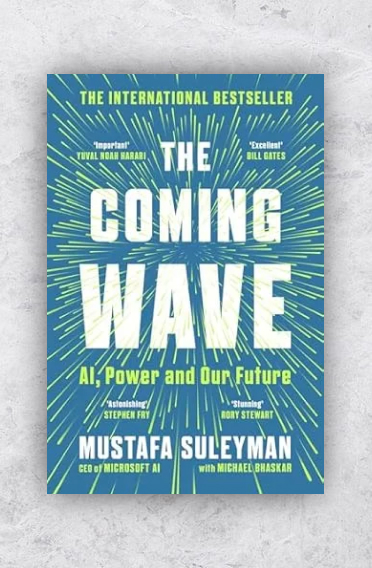
Over the next two decades, robot assistants and quantum computers will reshape our lives. Mustafa Suleyman, a key figure in the technological revolution, argues that the rapid proliferation of these technologies will bring unprecedented prosperity, alongside significant risks. While these innovations promise to transform the way we live, work, and govern, we are largely unprepared for their impact. This essential guide will equip you with the knowledge to understand and navigate the next phase of digitisation.
— Mustafa Suleyman and Michael Bhaskar
The Coming Wave: AI, Power and Our Future by Mustafa Suleyman and Michael Bhaskar
2. Homo Deus
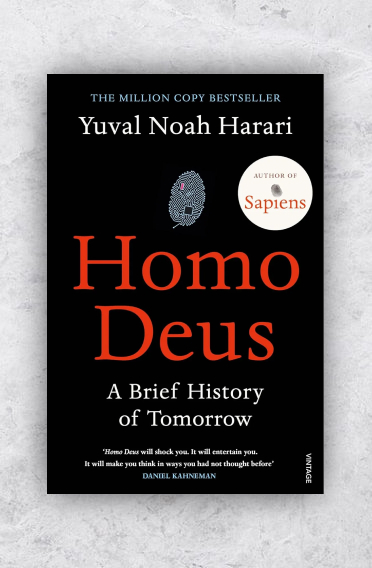
Yuval Noah Harari, the acclaimed author of Sapiens, turns his gaze from humanity’s past to the critical challenges defining the 21st century. With his signature interdisciplinary approach—blending science, history, and philosophy— Harari tackles profound questions: What does the future hold for our species? How can we protect our fragile world from the dangers we ourselves create? Thought-provoking and visionary, Homo Deus offers a compelling exploration of the possibilities and risks that lie ahead in our rapidly changing era.
— Yuval Noah Harari

3. Spellbound by Marcel: Duchamp, Love, and Art
Art offers a radical lens through which to view the future and the work of Marcel DeChamp was no different, definining devolpments in conceptual art during the 20th Century. Praised by The New York Times as “a delicious and deeply researched portrait of its time,” historian Ruth Brandon delves into the life of French artist Marcel Duchamp through the lens of two individuals who once loved him: Henri-Pierre Roché and Beatrice Wood. In 1913, Duchamp’s Nude Descending a Staircase shocked the American art world. Two years later, his arrival in New York and presence in the Arensberg salon forever redefined the boundaries of art.
— Ruth Brandon
Spellbound by Marcel: Duchamp, Love, and Art by Ruth Brandon
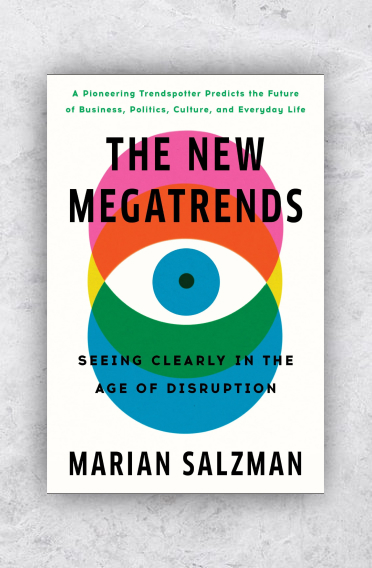
4. The New Megatrends: Seeing Clearly in the Age of Disruption
Forecaster Marian Salzman—celebrated for her uncanny ability to predict cultural shifts—traces the evolution of society from the turn of the millennium through the pandemic era and looks ahead to the next two decades. With a sharp eye for global patterns, Salzman weaves insights across business, civic life, consumer behavior, family dynamics, and entertainment, uncovering trends that will redefine our identities, reshape our future, and reinterpret our past.
— Marian Salzman
The New Megatrends: Seeing Clearly in the Age of Disruption by Marian Salzman
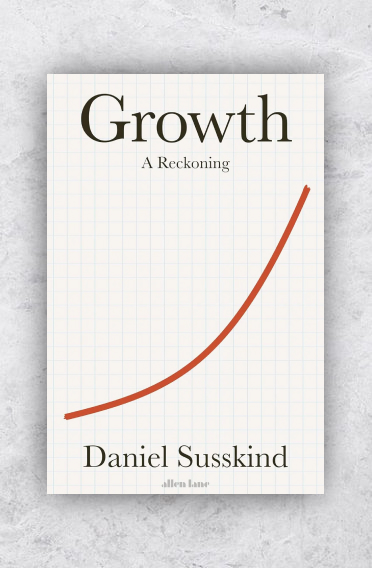
5. Growth: A Reckoning
Shortlisted for the 2024 Financial Times Business Book of the Year, Daniel Susskind offers a compelling exploration of economic growth—its history, impact, and future. Over the past two centuries, growth has lifted billions out of poverty, shaping global economic life. Yet, this progress has come with significant costs: widening inequality, disruptive technologies, and environmental destruction. In a time of growing skepticism about the value of growth, Susskind argues for a reimagined approach—one that prioritises sustainability and focuses on what truly matters for humanity’s future.
— Daniel Susskind
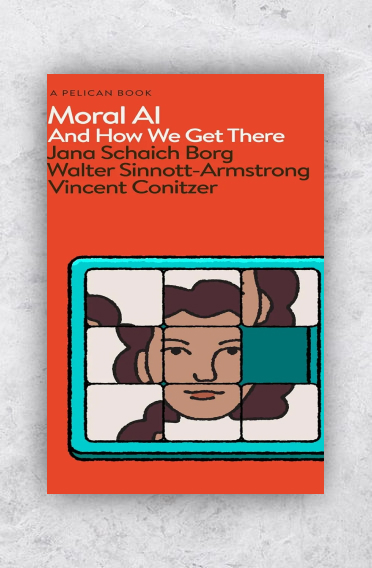
6. Moral AI: And How We Get There
Examining real-world applications like self-driving cars, autonomous weapons, and robot surgeons, leading experts in moral psychology, philosophy, and artificial intelligence cut through misinformation and address the pressing questions surrounding AI with clarity and rigour. From racial equity to privacy and fake news to ethical warfare, this book offers a thoughtful guide to building a future where AI serves humanity responsibly.
— Jana Schaich Borg , Walter Sinnott-Armstrong , Vincent Conitzer
Moral AI: And How We Get There by Jana Schaich Borg , Walter Sinnott-Armstrong , Vincent Conitzer
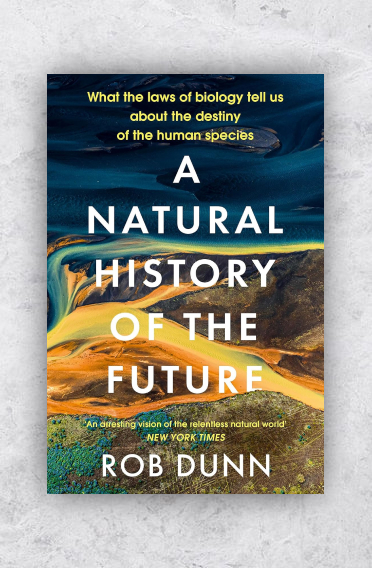
7. A Natural History of the Future: What the Laws of Biology Tell Us About the Destiny of the Human Species
Biologist Rob Dunn challenges humanity’s belief in its dominance over nature, revealing that we are subject to life’s immutable laws rather than its masters. Through examples like antibiotic resistance, natural selection, and the unexpected ecosystems of the London Underground, Dunn uncovers the resilience of life in the face of human interventions—be it artificial islands, toxic waste, or sprawling urbanization. While life on Earth will endure, humanity’s future remains uncertain. This thought-provoking work redefines our understanding of life’s diversity and its ultimate trajectory.
— Rob Dunn
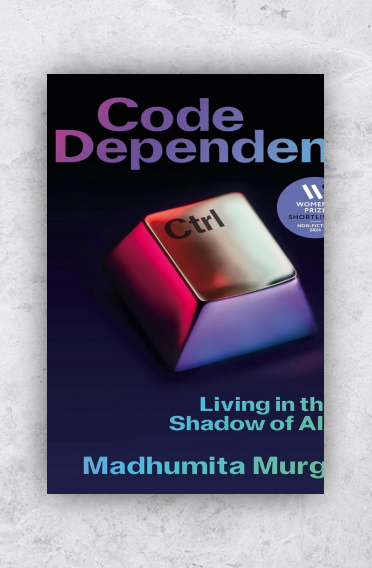
8. Code Dependent: How AI Is Changing Our Lives
Shortlisted for the 2024 Women’s Prize for Non-Fiction, Code Dependent by Madhumita Murgia examines how AI is redefining what it means to be human. Through the stories of everyday people far from Silicon Valley, Murgia uncovers the profound impact of powerful yet flawed technologies on individuals, communities, and society at large. With sharp insight, she warns of the consequences if we fail to reclaim our humanity in the face of these transformative forces.
— Madhumita Murgia
Code Dependent: How AI Is Changing Our Lives by Madhumita Murgia
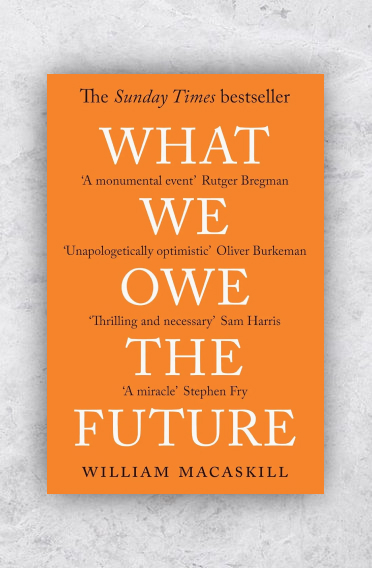
9. What We Owe The Future
Philosopher William MacAskill argues that longtermism—the idea that we must prioritise the well-being of future generations—is the defining moral challenge of our time. While addressing climate change and preventing future pandemics are crucial, they are not enough. MacAskill urges us to broaden our ethical considerations, advocating for a future where we embrace value pluralism and prepare for a world where the most advanced beings may be digital rather than human. Praised by Guardian writer Oliver Burkeman as “unapologetically optimistic and bracingly realistic,” this book offers a compelling vision for ethical living that is both inspiring and grounded in practical realism.
— William MacAskill
Non-Fiction Reads
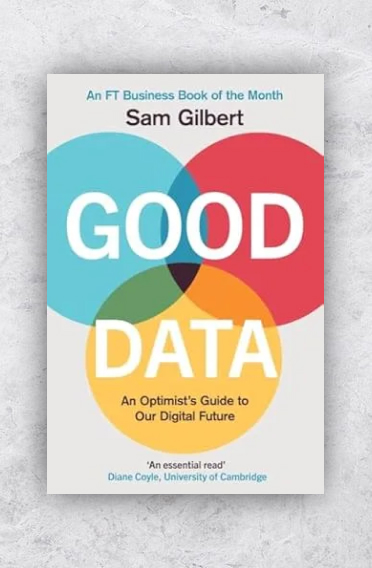
10. Good Data: An Optimist’s Guide to Our Digital Future
Tech insider and data expert Sam Gilbert challenges the prevailing pessimism surrounding the digital age, offering a refreshing perspective of optimism. While the rise of digital technology has sparked fear, Gilbert highlights how the data explosion is driving progress—combating inequality, creating jobs, advancing knowledge, and even aiding in the fight against coronavirus. With the promise of even greater advancements to come, Gilbert argues that by embracing this revolution we have the potential to vastly improve our lives.
— Sam Gilbert
Good Data: An Optimist’s Guide to Our Digital Future by Sam Gilbert
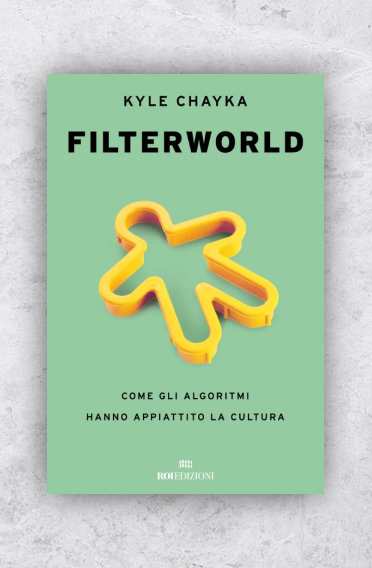
11. Filterworld: How Algorithms Flattened Culture
When proofreader Raimundo Silva daringly inserts a single negative into a historical text, he changes the entire course of the 1147 Siege of Lisbon—and his own life. Instead of facing censure, Raimundo captures the admiration of his new editor, Dr. Maria Sara, who challenges him to create his own version of history. What follows is a moving love story between a proofreader and his inspiring editor, weaving together romance and a profound meditation on how we reimagine the past.
— Kyle Chayka
Filterworld: How Algorithms Flattened Culture by Kyle Chayka