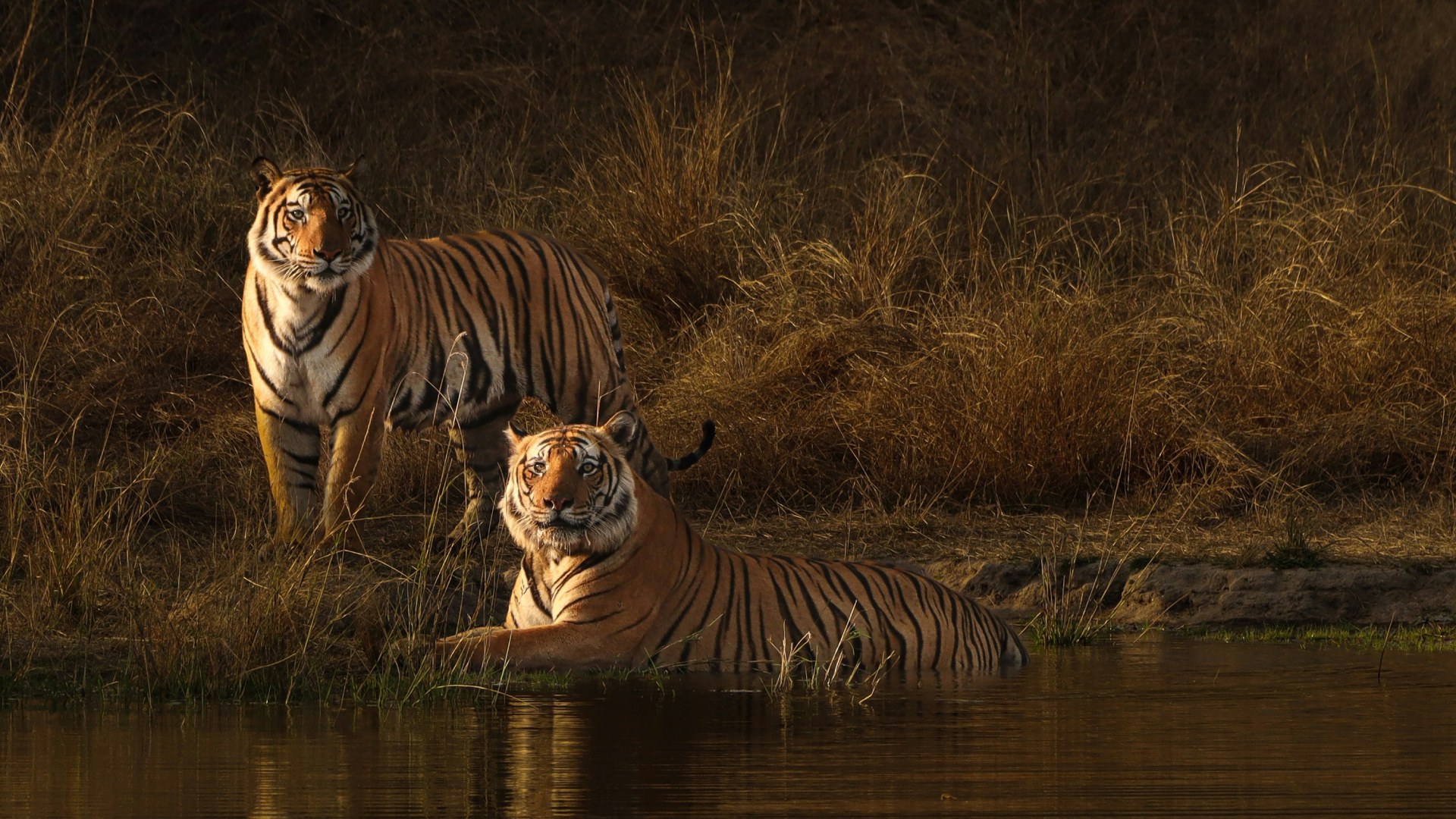
India’s oldest national park holds an estimated 10% of the world’s remaining wild tigers. As the spring heat builds and the smaller, secreted water sources dry up, these Bengal behemoths are moving into the open…
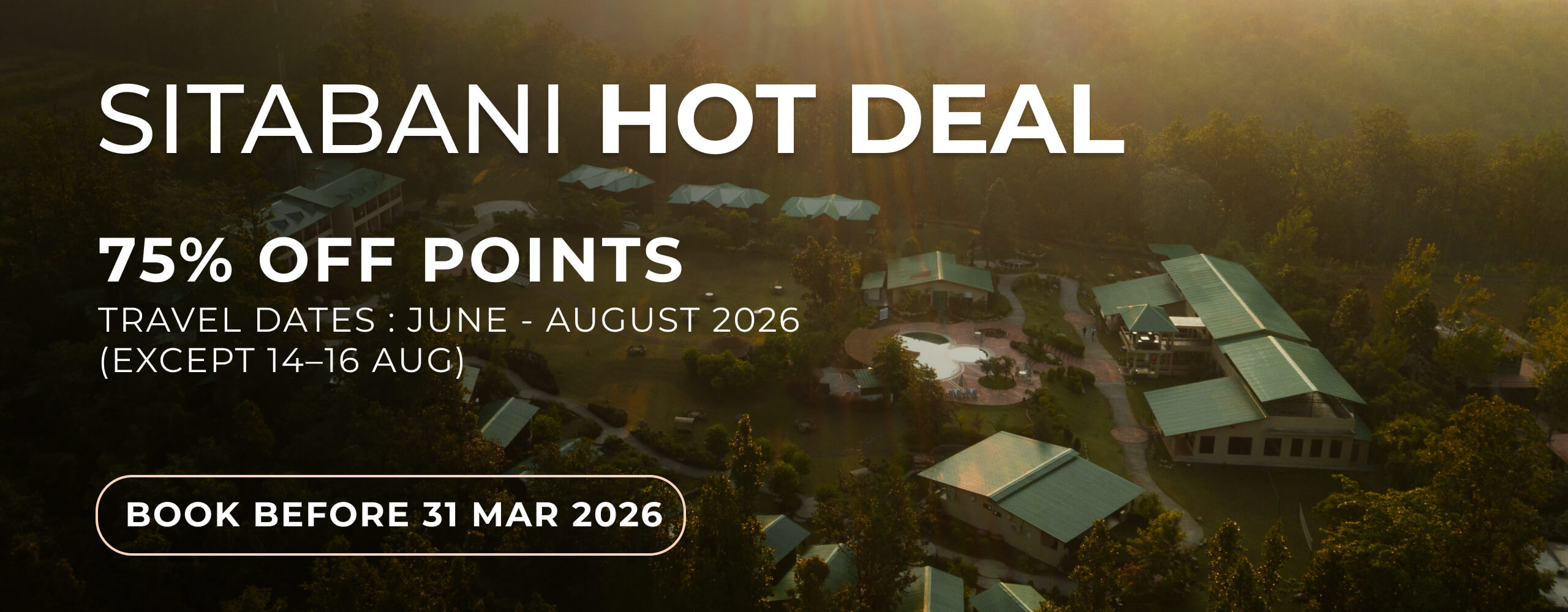
Karma Sitabani sits in the Corbett Landscape on the edge of the Sitabani forest, a property that is both resort and base camp for one of the world’s great wildlife encounters. The 42 suites are spacious, the lawns manicured, the pool is enormous and the Kumaoni food is excellent. However, all of those things are peripheral to the main attraction. You come because at dawn, in an open-top jeep, moving quietly through sal forest and grassland, you might see a Bengal tiger cooling itself at a waterhole.
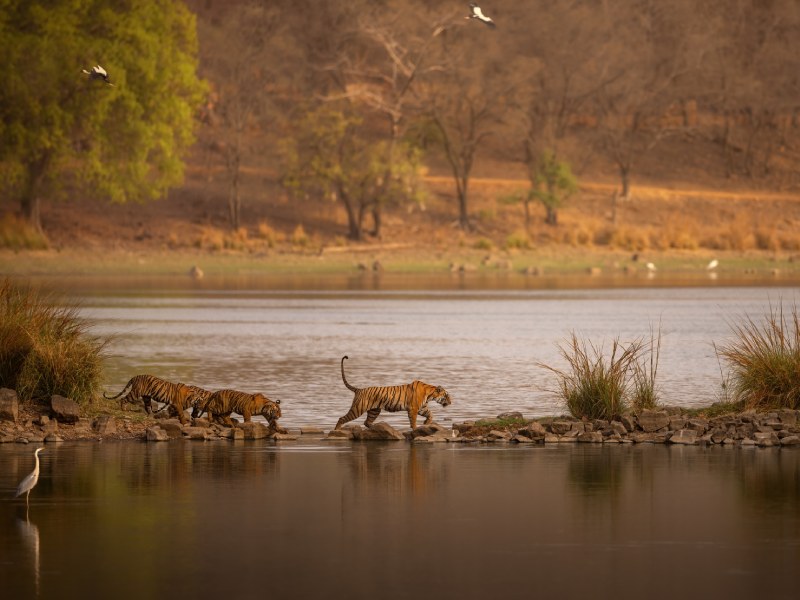
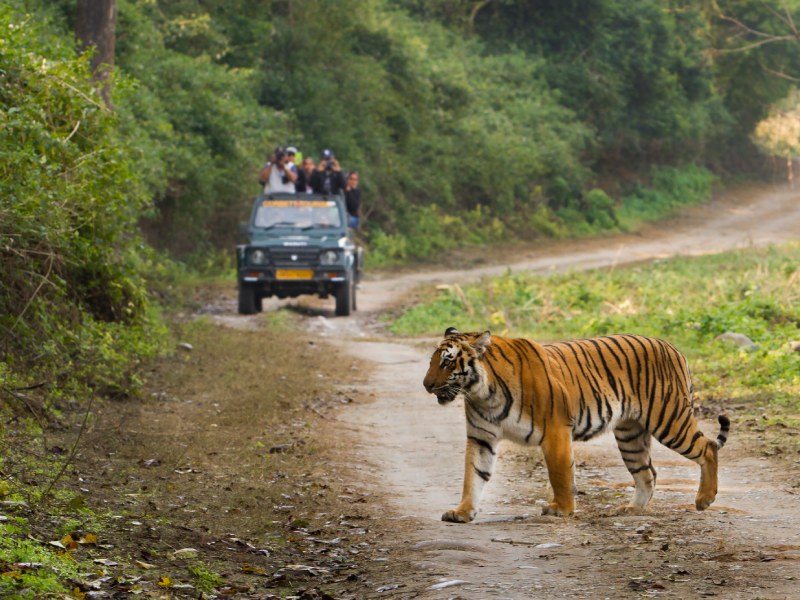
April through June is the peak season for exactly this. As the forest floor opens up and the smaller streams disappear, the big cats converge on the remaining water sources and stay there. Vegetation thins. Sightings increase. The Phato Zone, regarded as the park’s most wildlife-dense corridor, rewards patience at this time of year – and in spades. Book your safari permits well in advance through the resort and request early morning slots — the animals are on the move at first light and the quality of the silence at 6am in Corbett is itself worth the trip.
Beyond the safari, the resort’s naturalist-led birdwatching tours are exceptional. With around 600 bird species recorded in the park, even a three-hour walk through the Sitabani jungle produces sightings that would send even the most seasoned ornithologist into a swoon. The forest gives nothing away until it gives you everything — and then you will spend the rest of the year trying to explain it to people who were not there. Head over to Karma Subito to secure your spot.
Unlock Your Full Membership Benefits
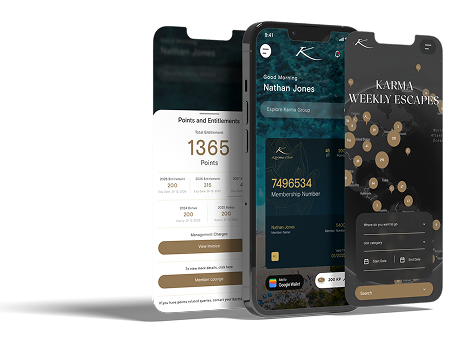
Update your Karma Subito app today and unlock exclusive
Karma Group membership offers and experiences.