
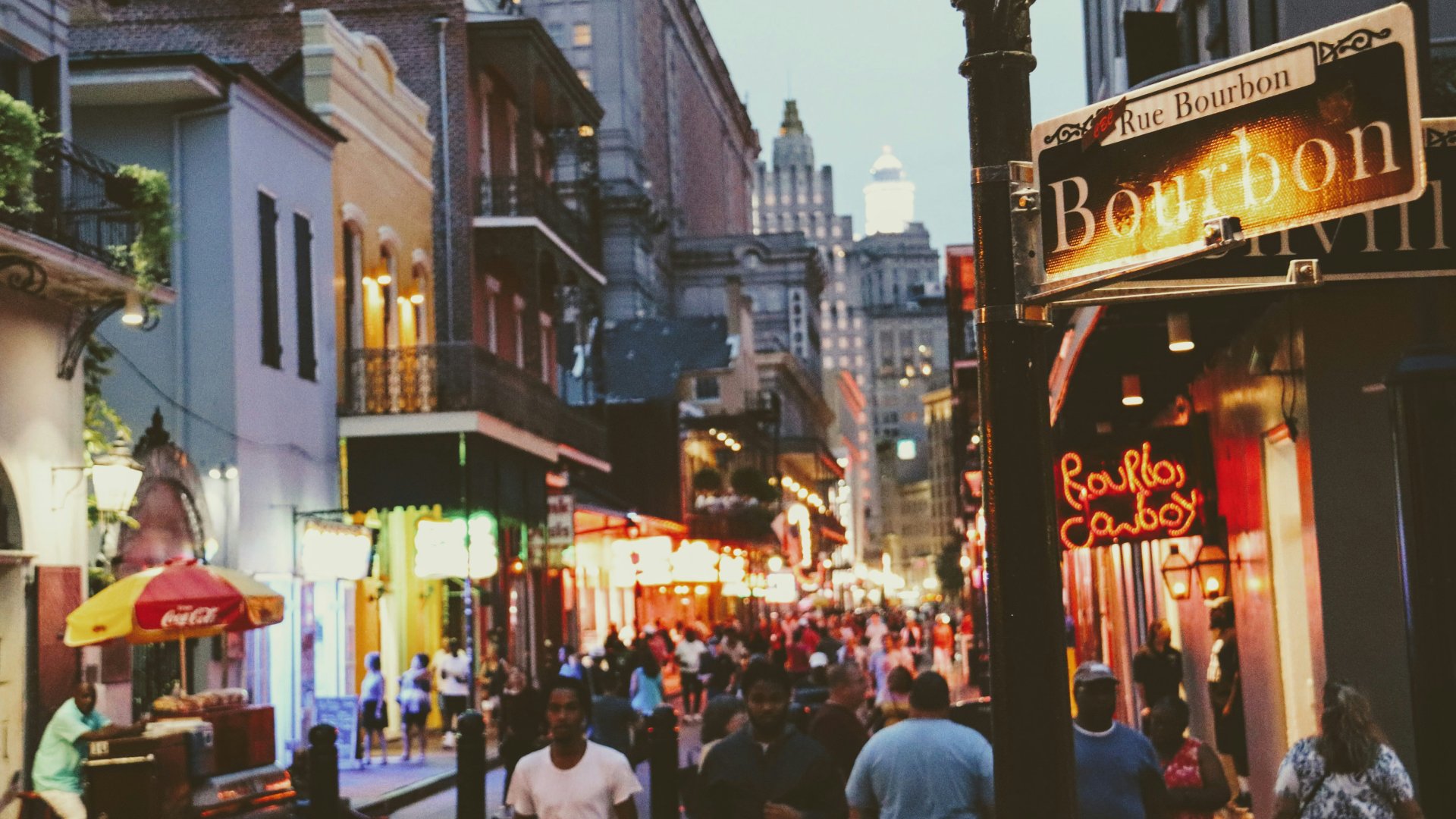
New Orleans reveals itself as a rich gumbo of sensory ingredients made up of sights, sound, scents and rhythms. On a single block in the French Quarter, brass bands rehearse in courtyards while kitchens turn out gumbo thick with okra, roux and memory. Food here isn’t just sustenance; it’s history, shaped by Creole, Cajun, West African and French influences, best understood over long lunches of po’boys, jambalaya and oysters shucked minutes from the Gulf.
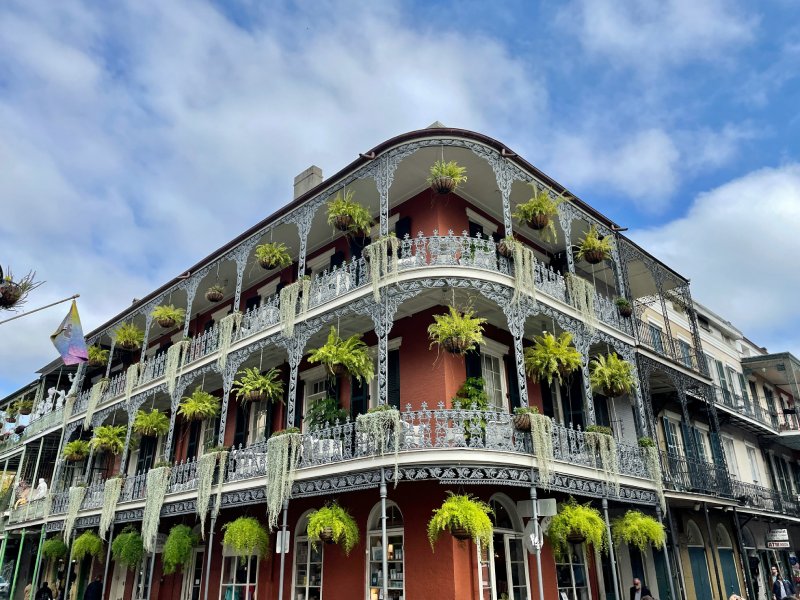
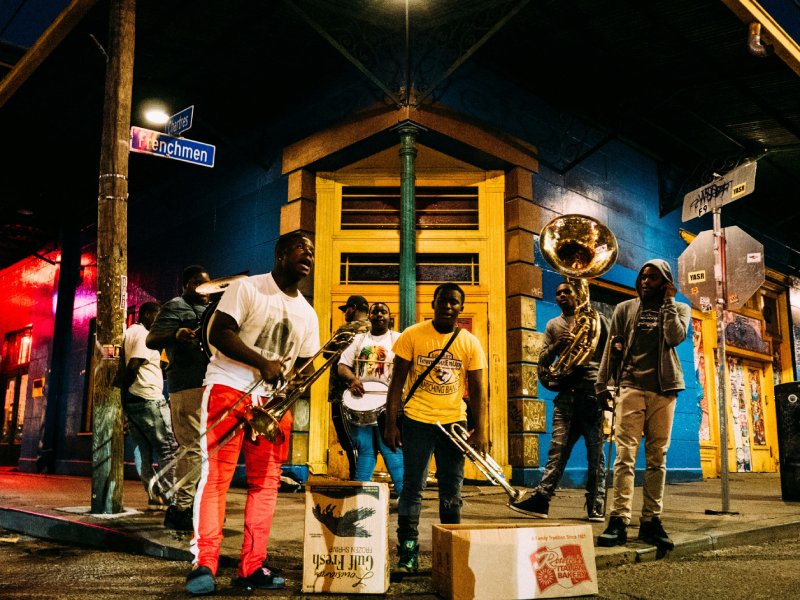
Music, of course, is the city’s pulse. Jazz was born here, but New Orleans plays far beyond the expected. On Frenchmen Street – a less tourist-heavy strip just outside the Quarter – clubs spill live funk, brass and soul onto the pavement nightly. Second lines, community parades led by brass bands, still wind through neighbourhoods, blurring the line between performer and audience.
Beyond the famous façades, the city rewards curiosity. The Bywater offers galleries and studios tucked into old warehouses. The Garden District’s oak-lined avenues reveal 19th-century homes and above-ground cemeteries shaped by the city’s high water table. Even the bayous at the city’s edge feel close – reminders that nature presses in as much as culture pushes out.
Inspired? Discover The Big Easy with Karma Escapes in 2026: an invitation to experience a city that lives by improvisation, hospitality and an unshakeable sense of place.
Easy. Save time. Book your next escape in seconds.




Explore Escapes links do not link. Should they?
The links are active on our side, Chris! Kindly refresh the page or check your internet connection once and try again.