Diminutive in size but an historical and cultural behemoth, to say the United Kingdom punches above its weight when it comes to narratives is an understatement. This week, Ultimate Library celebrates the Isles with novels, histories, memoirs and travelogues from Scotland, Northern Ireland, Wales, Cornwall, Yorkshire and England’s iconic academic cities, Cambridge and Oxford.
Scotland
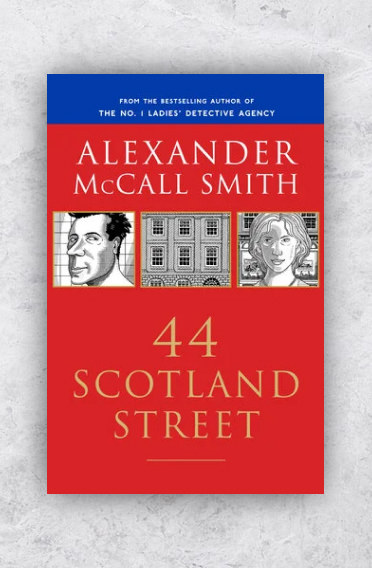
1. 44 Scotland Street
As the Financial Times notes, Alexander McCall Smith “does for Edinburgh what Armistead Maupin did for San Francisco.” This beloved series follows the charmingly intertwined lives of its eccentric residents—from precocious six-year-old Bertie (just ask his mother) to mislaid masterpieces, tangled romances, and surprise literary cameos.
— Alexander McCall Smith
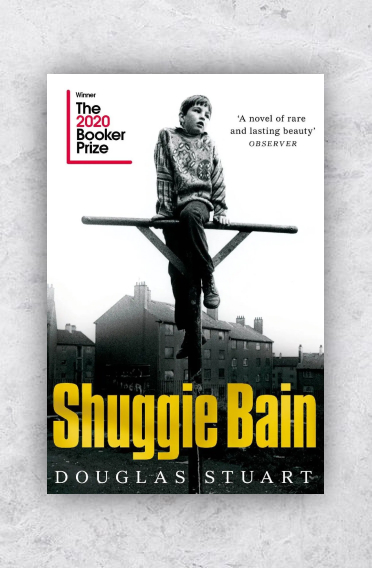
2. Shuggie Bain
Winner of the Booker Prize and a million-copy bestseller, this devastatingly beautiful and lyrical debut offers an unflinching portrait of addiction, resilience, and the harsh realities of 1980s Glasgow. At its heart is Shuggie, a tender, determined boy growing up in the shadow of his mother Agnes’s decline as he refuses to give up on the person he loves.
— Douglas Stuart
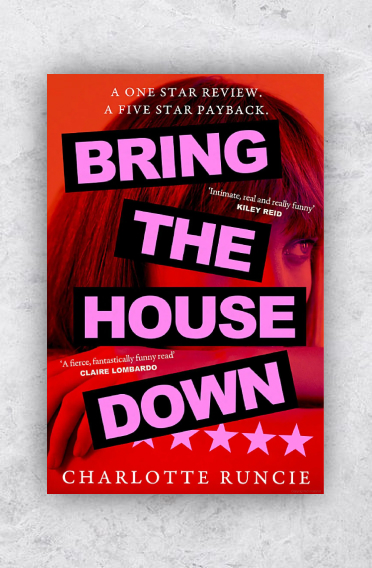
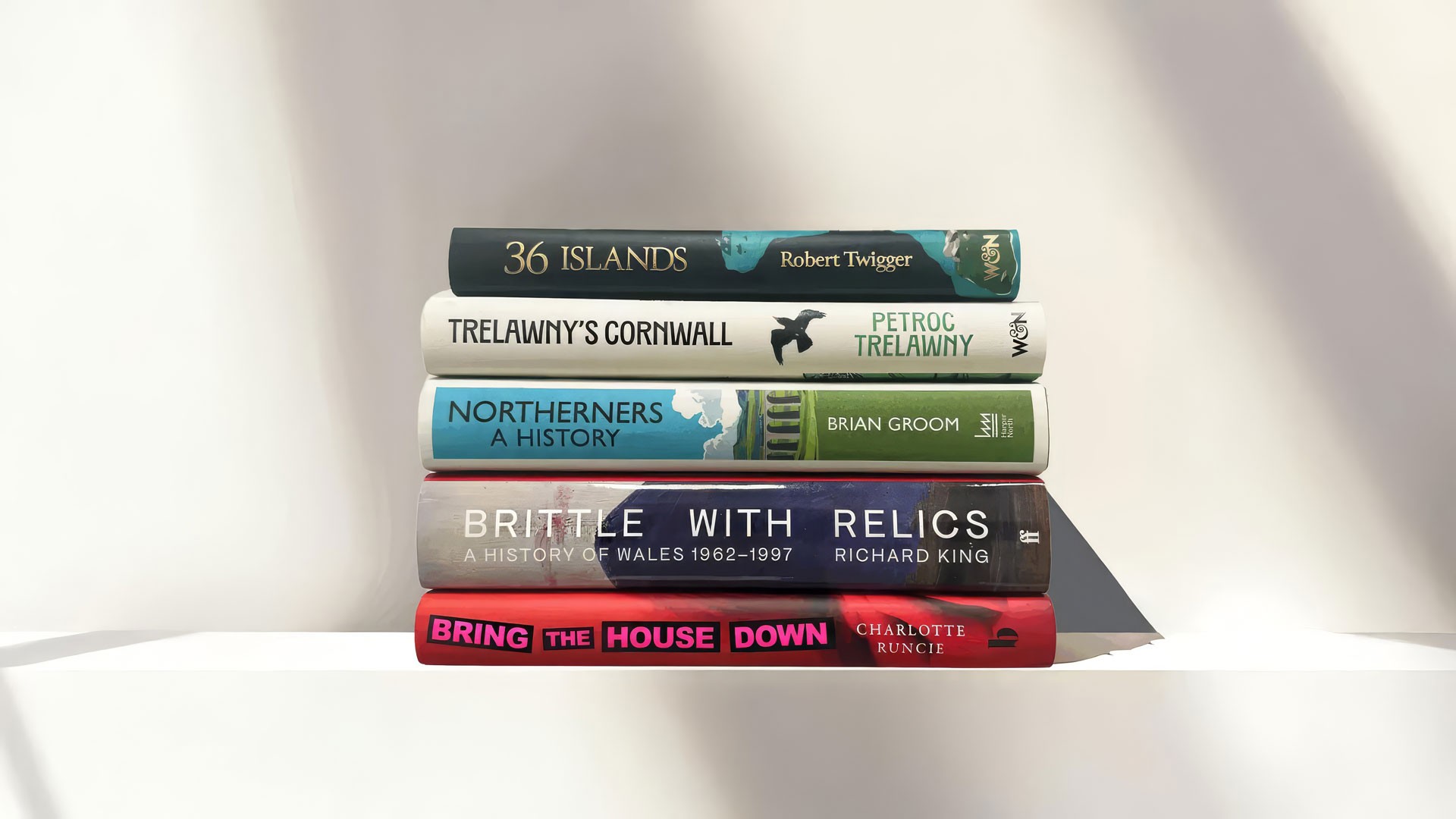
3. Bring the House Down
Described by The Times as “punchily provocative and bitingly funny,” Runcie’s debut is a sharply observed satire of art, criticism, and the spectacle-driven culture of the digital age. Set during the Edinburgh Fringe, the novel follows acerbic theatre critic Alex Lyons, who casually dismantles a one-woman show—only to find himself at the centre of its creator’s next performance.
— Charlotte runcie
Northern Ireland
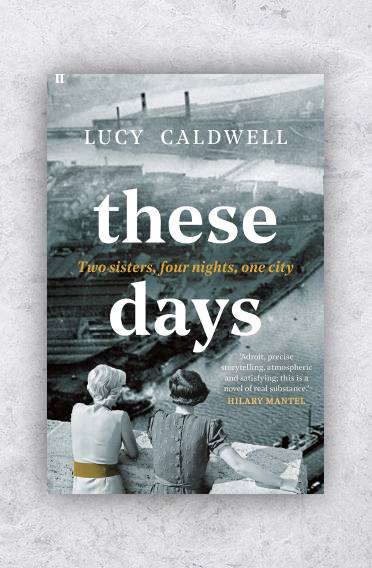
1. These Days
Described by the Observer as “breathtakingly good” and “full of luminous prose,” this prize-winning gem of a novel unfolds over four intense nights during the Belfast Blitz of April 1941. Following sisters Emma and Audrey—one preparing for marriage, the other concealing a same-sex relationship—These Days is a powerful portrait of love, identity, and staying true to oneself in the face of war.
— Lucy Caldwell
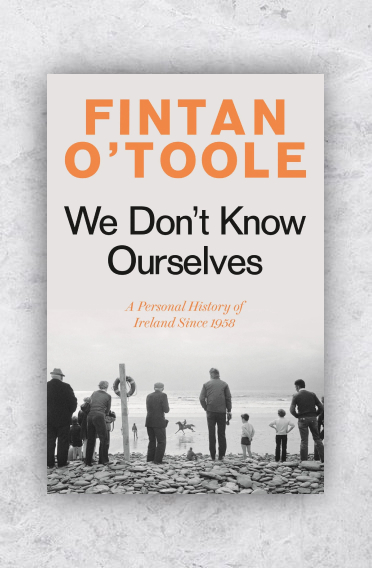
2. We Don’t Know Ourselves
A personal, panoramic portrait of a nation in flux. Melding memoir with masterful social commentary, Fintan O’Toole charts the transformation of Ireland from 1958—his birth year—to the present. With wit, clarity and deep insight, he traces the country’s seismic shifts: from sectarianism and conservatism to the rise of progressive voices and the collapse of old power structures.
— Fintan O’Toole
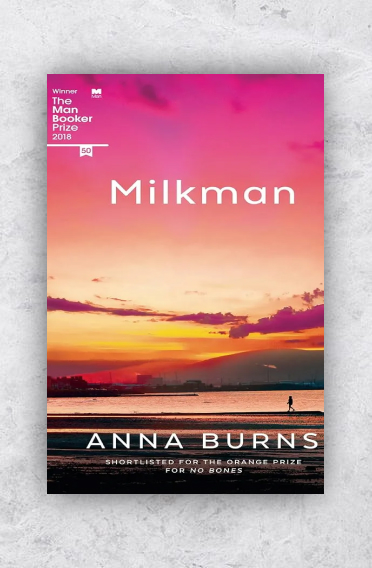
3. The Milkman
Milkman follows an eighteen-year-old woman whose life begins to unravel after she catches the attention of a sinister figure known only as “Milkman.” Set in a community governed by fear and rumour, Anna Burns’ Booker Prize–winning novel is a hypnotic, politically charged portrait of a community where standing out is perilous and silence is a means of survival.
— Anna Burns
Wales
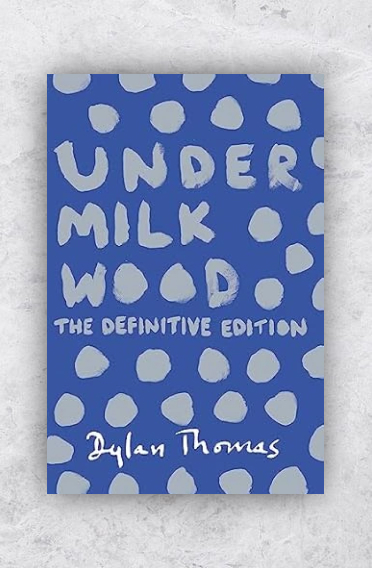
1. Under Milk Wood
Described by Thomas as “a play for voices,” this is a lyrical, darkly comic snapshot of life in the fictional Welsh village of Llareggub. Over one spring day, the dreams and desires of its quirky residents—like Captain Cat and Nogood Boyo—unfold in a rich blend of the ordinary and the intimate.
— Dylan Thomas
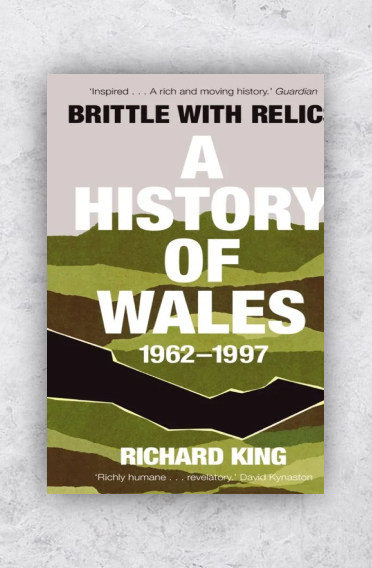
2. Brittle with Relics: A Landmark History of Wales
A powerful oral history capturing Wales at a turning point, tracing the nation through disaster, protest, and quiet resilience—from Aberfan and Tryweryn to the Miners’ Strike and the hard-won fight for devolution. Told through the voices of key figures including Neil Kinnock, Gruff Rhys, Michael Sheen, Sian James, and grassroots activists.
— Richard King
Brittle with Relics: A Landmark History of Wales by Richard King
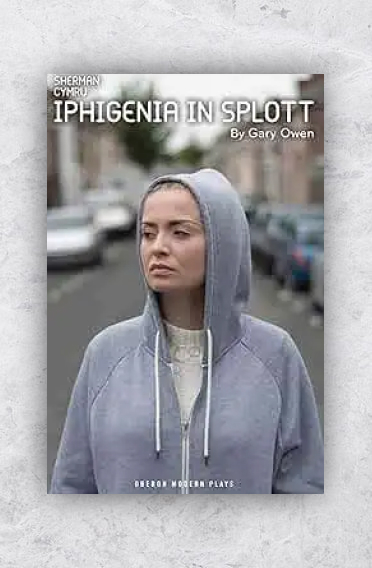
3. Iphigenia in Splott
Loosely inspired by Euripides’ Iphigenia in Aulis, this searing one-woman play reimagines myth in the context of modern-day austerity Wales. Effie stumbles through a life of booze, drugs, and one-night stands—until one night offers the chance for something more. Gritty, raw, and fiercely relevant.
— Gary Owen
Cornwall
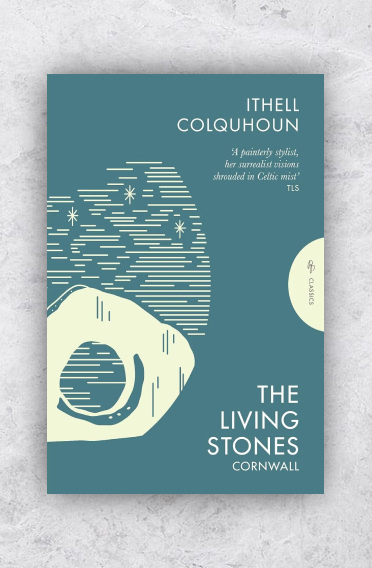
1. The Living Stones: Cornwall
Surrealist artist Ithell Colquhoun’s tribute to Cornwall is a vivid fusion of memoir, folklore, and spiritual reflection. Drawn to its untamed beauty and mystical pull, she evokes a land where ancient stones, sacred wells, and rugged coastlines reverberate through myth and memory.
— Ithell Colquhoun
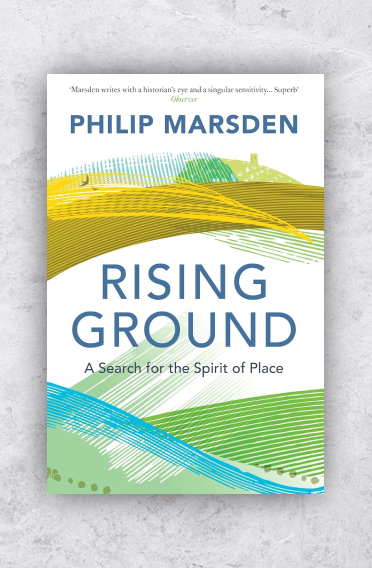
2. Rising Ground
Struck by the pull of the Cornish landscape, Philip Marsden sets out on a journey to Land’s End, exploring how place shapes our sense of belonging. From ancient rituals and Arthurian myths to the insights of poets and painters, he traces the deep-rooted connection between land, history, and identity.
— Philip Marsden
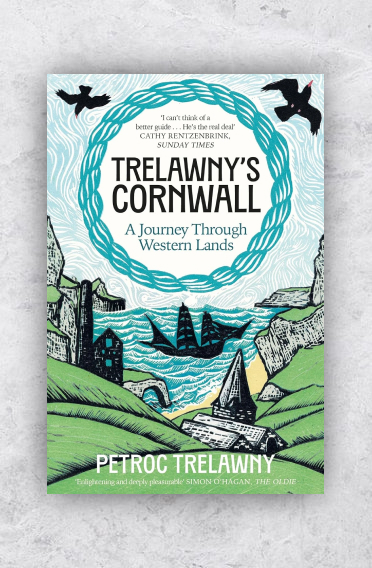
3. Trelawny’s Cornwall
When a stranger questions his Cornish roots, a Radio 3 presenter sets out to rediscover the landscapes of his childhood and what it means to belong. Blending memoir and cultural history, Trelawny’s journey through Cornwall traces the decline of the Cornish language, the rise of tourism, and a family shaped by the region’s enduring sense of otherness.
— Petroc Trelawny
The Academic Cities
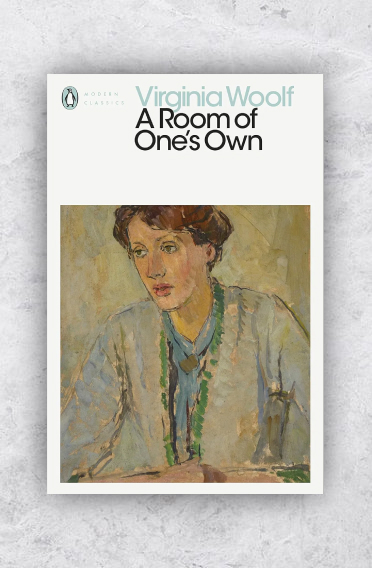
1. A Room of One’s Own
Originally delivered as a lecture to students at Girton College, Cambridge, Woolf’s 1929 essay remains a landmark feminist text. Here the modernist author explores the history of women’s fiction and argues powerfully that creative freedom depends on financial independence and personal space—both historically denied to women.
— Virginia Woolf
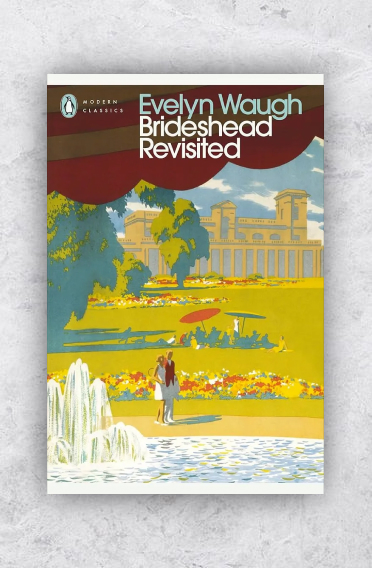
2. Brideshead Revisited
A nostalgic tale of lost love and fading privilege, this novel follows Charles Ryder’s memories of his time with the aristocratic Flyte family. From carefree Oxford days to deeper spiritual conflicts, it captures the end of an era with elegance and quiet sorrow.
— Evleyn Waugh
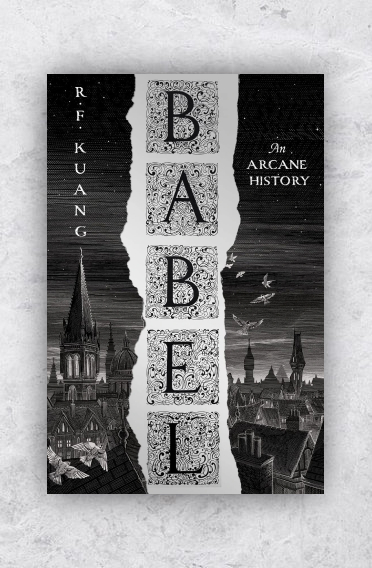
3. Babel
A Sunday Times and #1 New York Times bestseller, this historical fantasy, set in an alternate 1830s Oxford, follows Robin Swift, an orphan raised by a mysterious English guardian to serve the British Empire’s most powerful weapon: translation. A masterstroke of dark academia and anti-imperial storytelling.
— R.F Kuang
The Lake District
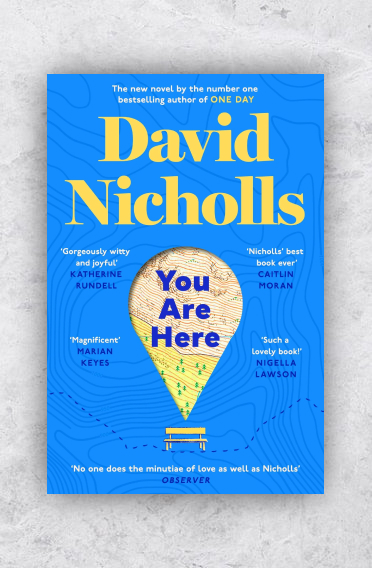
1. You are Here
From the author of One Day comes a warm, witty story of connection and second chances. When solitary Marnie and heartbroken Michael are thrown together on a windswept walking holiday, an unexpected bond begins to form. Set against the backdrop of the Lake District, You Are Here is a hopeful, quietly romantic tale about getting lost—and finding what matters.
— David Nicholls
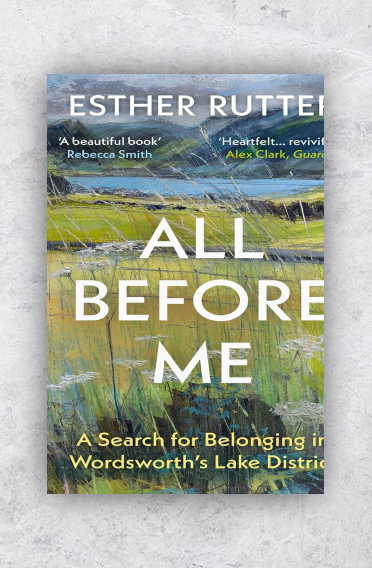
2. All Before Me
Following a breakdown in Japan, Esther Rutter begins her recovery in the Lake District, working at Dove Cottage, once home to William and Dorothy Wordsworth. Surrounded by the landscape that shaped the Romantics, she reflects on how nature, creativity, and connection help us understand who we are—and what comes next.
— Esther Rutter
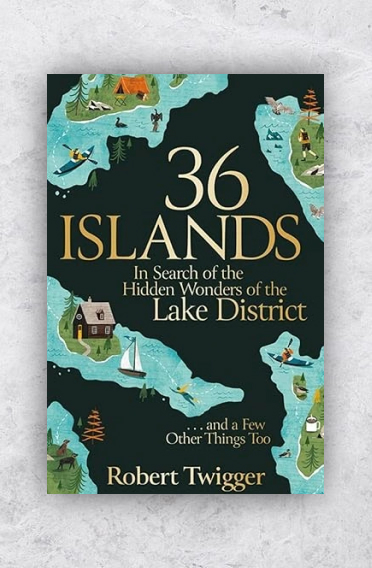
3. 36 Islands
Part travelogue, part literary meditation, this offbeat adventure sees poet and travel writer Robert Twigger explore all 36 islands of the Lake District. Armed with an inflatable canoe and a love for the wild, he ventures beyond the tourist trail to uncover forgotten corners, curious histories, and personal revelations.
— Robert Twigger
Yorkshire
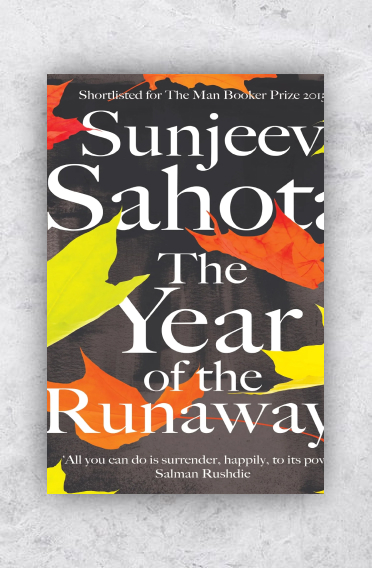
1. The Year of the Runaways
Described by The Washington Post as “The Grapes of Wrath for the 21st century” and shortlisted for the Booker Prize, Sunjeev Sahota’s sweeping novel explores migration and survival in modern Britain. Set between India and Sheffield, it centres on a group of immigrants bound by circumstance, sharing a crumbling house and a viscid history shaped by sacrifice and secrecy.
— Sunjeev Sahota
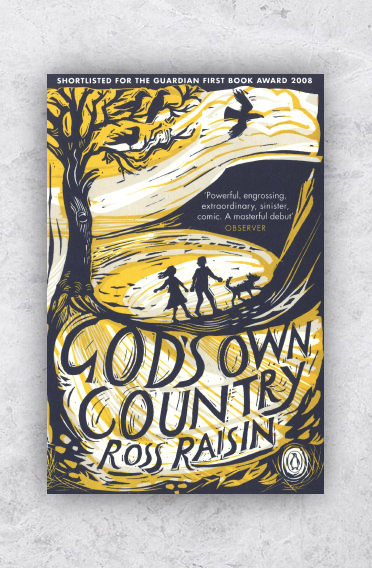
2. God’s Own Country
Shortlisted for nine literary awards, this gripping novel introduces Sam Marsdyke—a troubled yet perceptive young farmer, ostracised by his community and haunted by a murky past. His tightly controlled world begins to unravel when he strikes up an uneasy friendship with Josephine, a defiant newcomer from London—one that soon takes a disturbing turn.
— Ross Raisin
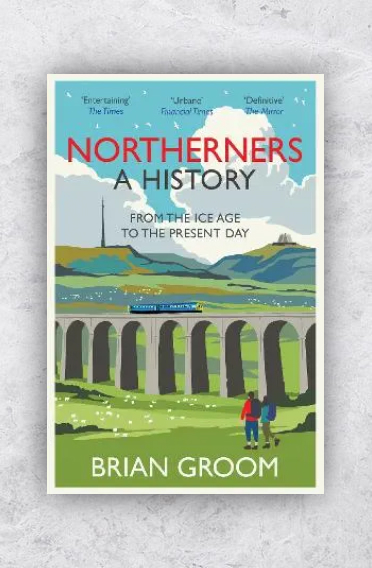
3. Notherners: A History
A Times bestseller and hailed as a “definitive new chronicle of the region,” this bold history of northern England tells the story of its people—from Roman emperors to suffragettes and cultural icons. Brian Groom explores how centuries of resilience and reinvention have shaped what it means to be northern today.
— Brian Groom